

Odoo ERP and CRM implementation built around how you work
Odoo implementation services for businesses outgrowing spreadsheets and disconnected tools. We configure the standard apps where they fit, build custom modules where they do not, connect Odoo to the systems you keep and support it after going live.
We work with clients and partners across the globe.



The problem
Most ERP projects ask the business to change for the software
Sales lives in one tool, stock in another, invoices in a third, and the joins between them are spreadsheets and re-keying. An ERP is meant to fix that, but a rollout that forces every team onto the standard screens gets worked around within months, and the spreadsheets come back.
Odoo is modular and open source, which makes it a good fit for a business that works its own way. It pays off when someone maps how you actually run first, configures the standard apps where they fit and builds only what is genuinely missing.
What we do
Odoo services from setup to support
Four jobs, delivered by one team, so the configuration, the custom code and the connections have one owner.
-
Odoo implementation
Talk to an expertCRM, sales, inventory, accounting, projects and the other apps you need, configured to your process. We start with standard Odoo and change it only where your business genuinely differs.
-
Custom Odoo modules
Talk to an expertWhere a standard app cannot do what you need, we build a module for it, kept apart from Odoo’s core so version upgrades stay possible.
-
Integration with the systems you keep
Talk to an expertOdoo connected to your ecommerce platform, payment provider, warehouse or legacy systems, so data is entered once.
-
Data migration and upgrades
Talk to an expertCustomers, products, stock and open balances moved in from spreadsheets, an older ERP or an earlier Odoo version, checked and reconciled before you switch over.
The process
How an Odoo implementation works
Six stages. Standard Odoo first, custom work only where it earns its place, and the old system stays available until the new one has proved itself.
-
Discovery
We map how sales, stock, finance and service actually run today, and UX research with your teams shows where the re-keying happens. You get a written scope, a cost estimate and a timeline before anything is configured.
-
Fit and gap
Each process matched to a standard Odoo app. What fits is configured, and what does not becomes a short, costed list of custom work.
-
Configuration and build
Apps set up, custom modules built and integrations wired, in short cycles reviewed by the people who will use them.
-
Data migration
Records moved from your current tools, validated and reconciled, with at least one trial run before the real one.
-
Training and going live
Each team trained on its own screens, then live alongside the old route until the numbers agree.
-
Support
We stay in touch, and agree any changes or improvements with you.
Why Elev8
Why businesses choose Elev8 for Odoo
There are plenty of Odoo providers. These are the reasons a business that does not fit the standard comes here.
-
Standard first, custom only where it pays
Every custom module is something to maintain and upgrade. We build one only when the standard app genuinely cannot do the job.
-
The systems around Odoo are in scope
Each connects once through our own integration platform rather than a third party’s.
-
Custom code kept upgrade safe
Modules sit apart from Odoo’s core, so a version upgrade is a planned project, not a rewrite.
-
AI when it earns its place
Once your data lives in one system, forecasting or an agent working from it becomes possible. We add it only where it creates measurable value.
-
Hosted where you choose
On premises, in private or public cloud, or hybrid, with infrastructure through our sister company DS Total Solutions where you have none.
-
One company from scoping to support
We agree what support covers with you. It can include fixes, new apps and version upgrades.
Platforms
Our own platforms that extend Odoo
Where one of our platforms already does part of the job, the project starts from it.
-
Learn more , Data fabric and data orchestration
Data fabric and data orchestration
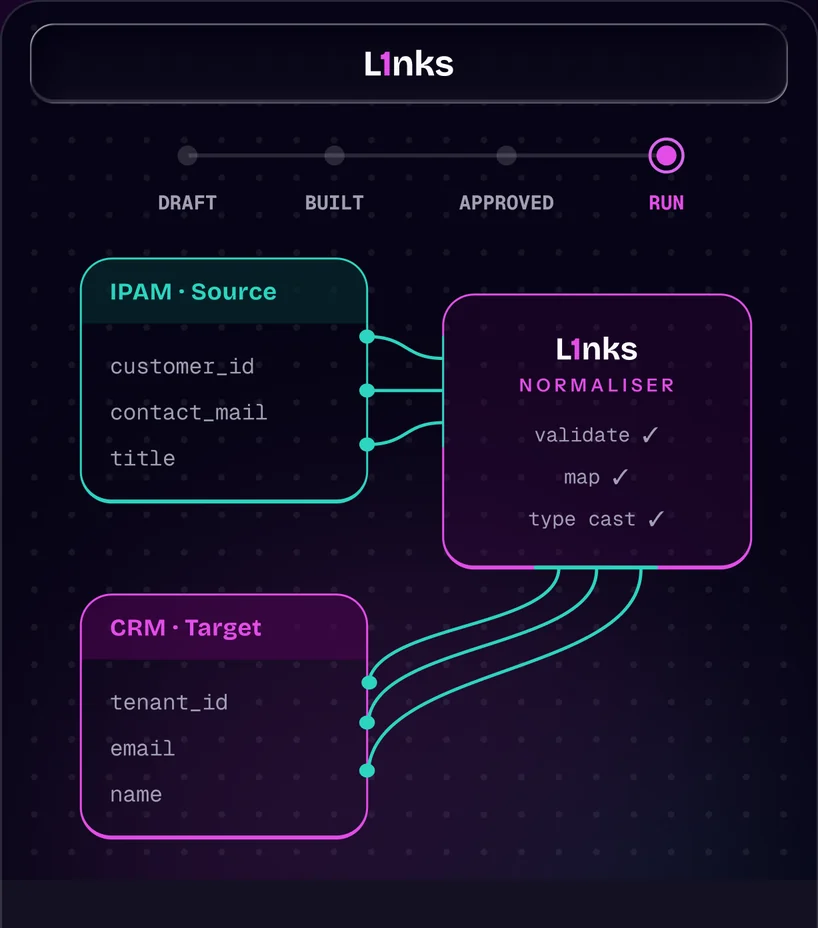
Connects each of your systems once, catalogues what each one holds and validates data as it moves, so what arrives already agrees.
-
Learn more , Private AI for your business data
Private AI for your business data
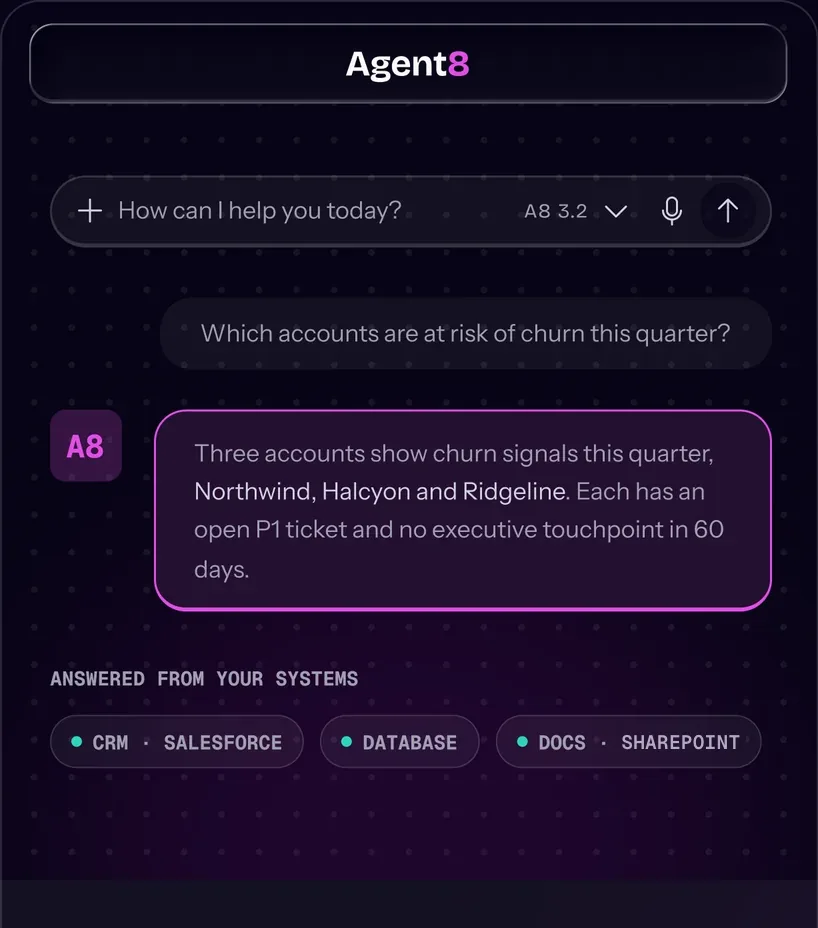
For teams that want AI on their own knowledgebase without handing it to a public assistant. Private, per client RAG inside your own network.
-
Learn more , App and network experience
App and network experience
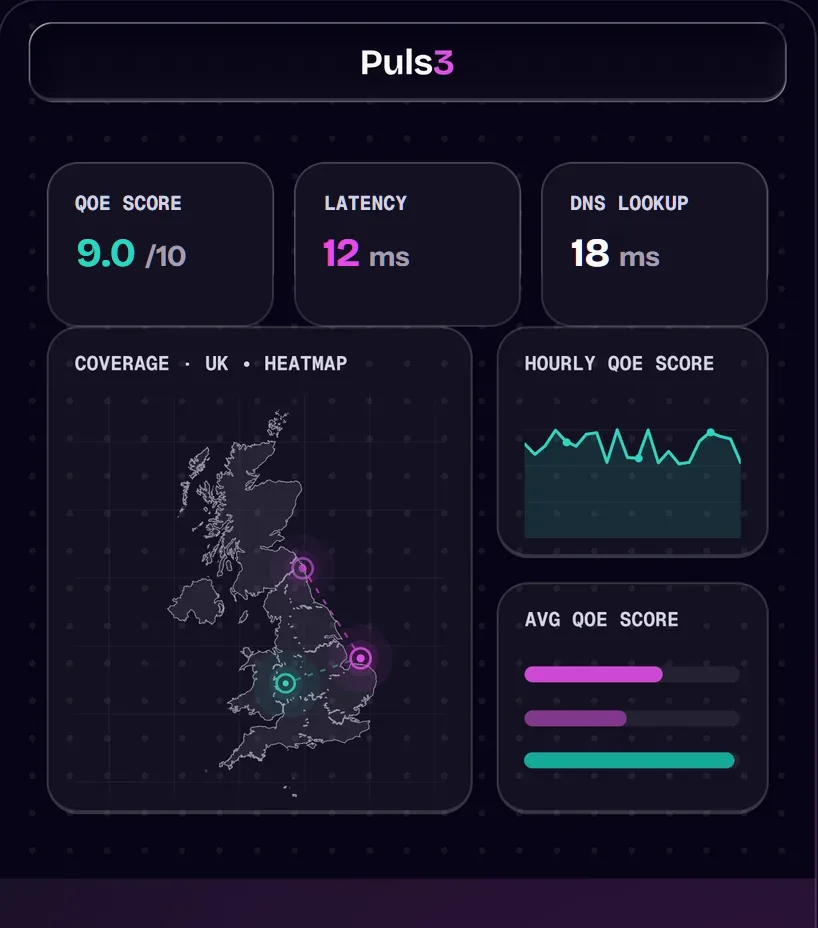
Bots test your network from the customer's end, on a schedule or on demand, so you can identify service issues before a customer complains.
Security
Your business data, under your control
An ERP holds your customers, prices, margins and payroll. These practices are fixed on every Odoo project.
- Hosted where you choose: on premises, in private or public cloud, or hybrid.
- Role based access in Odoo, granted by role and revoked when the role ends.
- Custom modules reviewed and version controlled, with every release traceable to a person.
- Information security run to ISO 27001 practice.
Sectors
Odoo configured for different industries
Every sector has its own records, systems and ways of working. We learn yours first, then build AI and software that fit the way your teams already operate.
Telecom and ISPs
App and network experience monitoring, and data integration across operator systems.
Learn more, Telecom and ISPsConstruction
Permit automation, faster responses to tenders, analytics and talk to your documents.
Learn more, ConstructionFinancial services
Liveness checks, KYC, identity verification and fraud prevention.
Learn more, Financial servicesOther services
AI, automation and infrastructure
Whether it is AI, custom software, CRM/ERP rollout or the cloud and infrastructure to run it, we scope it, build it and support it after going live.
-
Learn more , Custom AI development
Custom AI development
AI that understands your business, built on your own data and shaped around the way your teams work.
-
Learn more , Custom and automated software development
Custom and automated software development
Business software, internal tools, workflow automation and legacy replacement.
-
Learn more , AI integration and deployment
AI integration and deployment
AI and agents deployed into the systems you already run, and connected to your data.
-
Learn more , AI strategy and consulting
AI strategy and consulting
Readiness, roadmap, use case prioritisation and governance, from AI experts.
-
Learn more , Data orchestration
Data orchestration
Discovery, cleansing and pipelines: the data layer your systems and AI depend on.
-
Learn more , Data strategy consulting
Data strategy consulting
Deciding what data to keep, who owns it and what to fix first, then delivering it in that order.
-
Learn more , AI cloud and security
AI cloud and security
Private AI environments, on premises, in your cloud or air gapped, with your data kept in bounds.
Proof
Systems we have built for our clients
Each card opens the full case study.
-


- Manufacturing
Donut Safety Systems
Delivered an LMS and a custom CRM to manage & track trainings, certifications, manufacturing process, marketing and sales.
Read moreElev8 has been a fantastic partner in supporting the creation, maintenance of our Learning Management System. What really sets them apart is how collaborative they are, they take the time to understand our business and tailor bespoke solutions rather than offering a one-size-fits-all approach. Their compliance guidance has also been invaluable, giving us confidence that our system and reporting meet the standards we require.
Working with Elev8 has made a real difference to how we manage systems across our business. We wouldn’t hesitate to recommend them to any organisation looking for a systems provider that genuinely acts as a partner rather than just a supplier. Thanks again for everything the team does for us, it’s a pleasure working with Elev8.
Insights from our team
Notes on ERP, integration and what happens after going live.
-
Data governance that survives an audit
What data is held, what for, and who governs it, written down in a form a regulator will accept.
-
AI strategy for regulated industries
Where AI is worth using in a regulated business, where it is not, and how to tell the difference before you spend.
-
Retention policies for training data
How long to keep the data a model was trained on, who decides, and how to delete it without losing the audit trail.



Common questions
Odoo questions, answered plainly
Everything you need to know about working with Elev8.
Should we use standard Odoo or have it customised?
Start with standard Odoo wherever it fits, because it costs less, goes live sooner and upgrades cleanly. Customise only where your process genuinely differs and the difference matters to the business. Discovery produces that list, costed, so you decide which changes are worth paying for before any code is written.
Can Odoo connect to the systems we already use?
Yes. We connect Odoo to ecommerce platforms, payment providers, warehouse systems and legacy software through our own integration platform. Each system connects once, so data is entered in one place and every app reads the same record.
Can you move our data from spreadsheets or an old ERP?
Yes. We map every source, clean and match the records, and move customers, products, stock and open balances across, with at least one trial migration before the real one. Totals are reconciled against the old system before you switch, so the first month’s figures can be trusted.
Should we use Odoo Community or Enterprise?
It depends on the apps you need and how you want to host. Community is open source with no licence fee but fewer apps, and Enterprise adds apps and Odoo’s own support for a subscription per user. We compare both against your processes during discovery and recommend one in writing.
Where can Odoo be hosted?
On premises servers, a private or public cloud, or a hybrid of both. Where you have no suitable infrastructure, our sister company DS Total Solutions supplies it. Where it runs is decided by your data rules and your estate, not by our preference, and you can move it later.
How long does an Odoo implementation take?
It depends on the number of apps, the custom work and the data to migrate, so discovery gives you a timeline in writing before you commit. Larger rollouts are phased, one team or one process at a time, so the first part goes live early instead of waiting for everything.
What drives the cost of an Odoo project?
Four things: the number of apps, the custom modules needed, the systems Odoo has to connect to and the state of the data being migrated. Enterprise licences, if you choose them, are paid to Odoo separately. Discovery turns all of it into a written scope, a cost estimate and a timeline before you commit.
Can you take over an Odoo system another provider set up?
Yes. We start by reviewing the configuration, the custom modules and the data, then write a scope for stabilising, upgrading or extending it. We say plainly where a custom module is better replaced by a standard app.
Tell us where the spreadsheets live
Describe the tools your teams use today and where data gets typed twice. We will tell you which Odoo apps fit and what would need building.